
Safari Vet Animal Treatment Steps for Every Species
Treatment steps for every animal in My Life: Safari Vet, from the calm-first lion to the clinic leopard, plus the five-step kit order that works.
Every case runs through the same rail of eight tools, but the order changes by animal. Calm first for lions, swab first for open wounds, stethoscope first for internal cases, sample first when the game asks for blood. Get the opening step wrong and the prompt simply repeats, so the cost of a mistake is time, not a failed case.
This page is the per-animal version. If you want the tool-by-tool explanation of what each icon does and which input it wants, read the how to heal animals guide→ instead.
The universal five-step skeleton
Whatever the species, the procedure resolves in the same broad shape:
- Approach and assess. The game marks the patient with a paw icon and puts an instruction at the top of the screen.
- Stabilise the animal. Anxious animals get stroked; collapsed animals get examined in place.
- Diagnose. Eye check, palpation, magnifying glass, stethoscope or a blood sample, depending on the case.
- Treat. Clean, disinfect, bandage, inject or dose, in the order the rail highlights.
- Aftercare. Some cases leave a follow-up task, which is where the Daily Care Routine and Trusted Caregiver achievements come from.
Each tool icon is a step, not a menu. Completed steps turn green with a tick, the next step glows. You never have to guess which instrument comes next; you only have to perform it correctly.
Treatment steps by animal
Not every species has been shown in official material, so the table separates what is confirmed from what follows the standard template. Where a row says "standard", it means the case uses the generic skeleton above and we have not seen the specific tool order.
The full animal list→ is the place to check which species and babies exist before you hunt for a case.
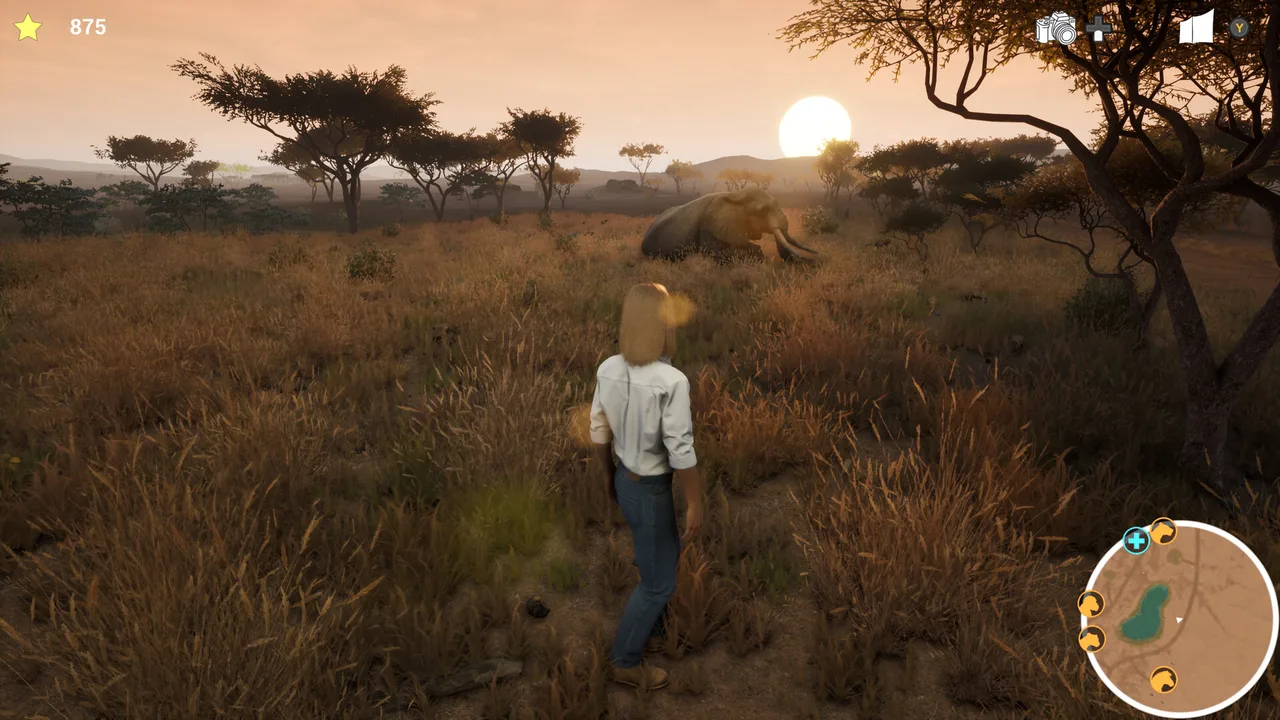
| Animal | Opening step | Confirmed middle steps | Source of detail |
|---|---|---|---|
| Lion | Stroke to calm | Examine, then treat | Screenshot prompt about anxiety |
| Lioness | Stroke to calm | Standard | Screenshot prompt, same wording |
| Zebra | Inspect the hoof | Clean, treat | Store example, injured hoof |
| Elephant | Listen with stethoscope | Sample, medicine | Store example, stomach trouble |
| Giraffe | Blood sample | Sample syringe, then treat | Night screenshot, blood sample prompt |
| Crocodile | Clean the wound with a swab | Disinfect with spray, then a pill | Snout wound screenshot |
| Rhino | Inspect the leg wound | Clean, spray, bandage | Bandaged leg and head in screenshots |
| Leopard | Clinic table, stethoscope | Sample, treat, monitor | Clinic screenshot with ECG |
| Hippo | Standard | Standard | No official example |
| Gorilla | Standard | Standard | No official example |
| Chimpanzee | Standard | Standard | Tent examination screenshot |
| All six babies | Same skeleton, shorter chains | Fewer steps per case | Achievement list only |
Two rows are worth calling out because they break the pattern. The lion's stroking step is not cosmetic: while the animal is anxious the medical tools do nothing, so the calm step is a gate. And the giraffe's blood sample is a two-part input, one stick to draw and another to fill, which is the only case we have seen where a single tool needs two distinct motions.
Does the order ever change mid-case?
Yes, once. A field case can escalate to the clinic. The store description says seriously ill animals are brought to your own clinic, and the leopard screenshot shows the indoor setup with an ECG. When a case moves indoors, the tool rail resets to the clinic sequence, starting with listening rather than cleaning.
That escalation is also the reason not to panic when a field treatment stops responding. The prompt chain has ended, the animal is stable, and the game wants you to travel.
What changes between adults and babies?
Shorter chains and gentler prompts. A baby case in the achievement data is a full achievement, not a reskin, but the visible procedures in the screenshots are shorter: fewer instruments, more stroking and listening, and a photo opportunity that is easier to frame because the animal is small.
The lion cub is the one baby with story weight. The store description names it directly, and the official key art puts the cub in the vet's arms. The lion cub guide→ covers that thread specifically.
How do you know a treatment worked?
Three signals, in order. The instruction line at the top of the screen changes, the step icon behind you turns green with a tick, and the last step of the chain ends with the animal standing up and walking or being led away. XP lands at that point, and the achievement for that species fires the first time.
If none of that happens, you are on a step you think you finished but did not. The usual culprits are a half-held trigger on the magnifying glass and a spray that was wiggled in the wrong direction.
Walking up to a lion and going straight for the syringe wastes the trip and, in the screenshots, produces a repeated "too anxious" prompt until you stroke the animal. It is one input. Do it first.
Where the per-animal data is thin
Hippo, gorilla and chimpanzee cases have not been shown in any official material we could verify. We are not going to invent their tool orders. What we can say is that all three have adult achievements, all three appear in the encyclopedia photo list, and none of them has a baby achievement, so a completionist will meet each of them at least once.
The 120+ illnesses figure on the store page is the other gap. It counts conditions, not procedures, and the same condition shows up on multiple species. Treat the table above as the shape of the work, not a list of 120 recipes.
The walkthrough puts these cases in the order the game actually hands them to you, which matters more than any single procedure because the early cases teach the rail before the clinic opens.
FAQ
What is the first tool you should use? The highlighted one on the left rail. It is always the next required step, and it changes as you complete each action.
Can you use the wrong tool without failing? Yes. The game repeats the instruction and lets you try again. There is no damage penalty and no timer.
Do you need to treat animals in a set order? No, but the early zebra case is the best tutorial and the clinic cases are easier once you have the rail memorised.
Is there a treatment for every illness in the game? The store page claims 120+ illnesses and the achievement list confirms the treatment achievements, so yes, every condition has a procedure, though many share the same steps.
Official source: Steam store page ↗ Official source: Steam achievement list ↗ Official source: PlayStation Store listing ↗