
Safari Vet Tasks and Rewards: What Each Job Pays
How tasks and rewards work in My Life: Safari Vet: paw markers, clinic cases, aftercare jobs, stars and XP, and the fastest order to clear the board.
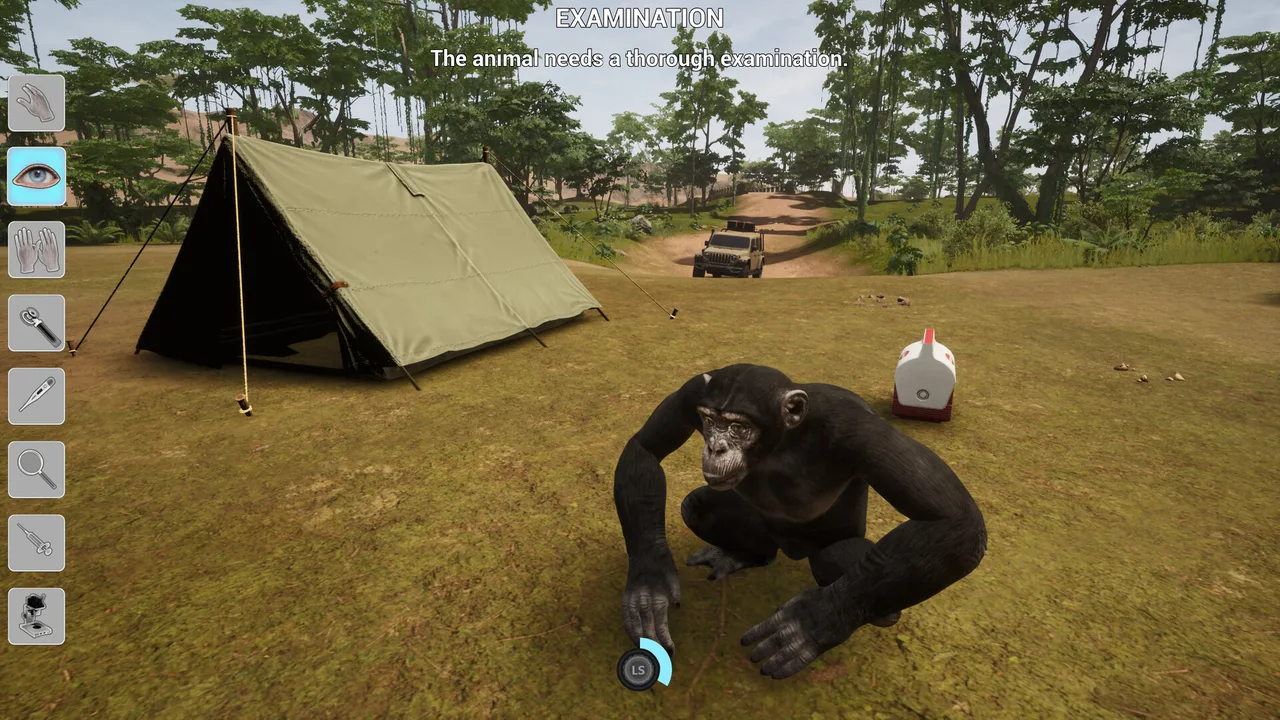
Tasks are the game's mission list. Paw-print markers on the minimap are animals that need a vet, the cyan cross is your clinic, and completing either pays XP and stars. There is no quest log to accept, no failure timer, and no penalty for doing them in any order you like.
That freedom is the whole system, so the useful question is not what a task pays but which tasks to do first. The walkthrough→ answers that by phase; this page answers it by payout.
What types of task are there?
Four, and they are visible on the map and in the task prompts:
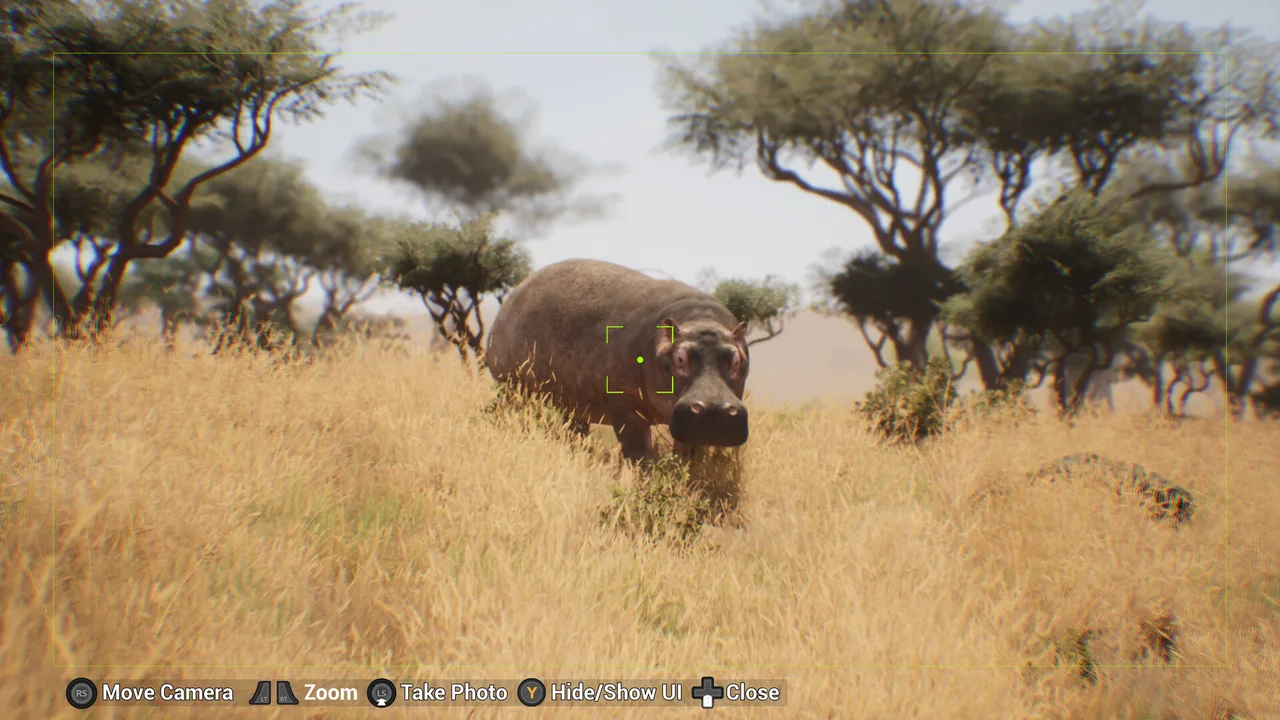
Photo jobs tie into the photo safari and encyclopedia→ page.
| Task type | Where it appears | What it involves | Reward |
|---|---|---|---|
| Animal case | Paw marker on the minimap | Travel, examine, treat | XP and stars |
| Clinic case | Cyan cross marker | Indoor examination and treatment | XP and stars, usually more |
| Aftercare | Follow-up on a treated animal | A short repeat visit | Progress toward two achievements |
| Vaccination | Task prompt at the clinic or in the field | Syringe step on a healthy animal | XP, task completion |
Photo tasks sit slightly outside the list: the camera is always available from the HUD, and photos feed the encyclopedia rather than the task board.
How much do tasks pay?
The game does not publish a payout table, and we are not going to invent one. What the official screenshots do show is star totals of 100, 150 and 875 at different points in play, which tells you two things: the counter is cumulative across the whole save, and individual cases are worth a modest slice of it rather than a big lump.
XP follows the same logic. Every successful treatment pays, the store description says it feeds both your character and the practice, and harder cases pay more. Clinic cases are the biggest single payouts because they are the longest sequences.
Nothing in the store page, screenshots or achievement list shows a star shop. Customisation unlocks are tied to achievements and progression, not to spending stars. Treat the counter as a completion meter.
Why aftercare is the best-value task
Aftercare looks like busywork and is actually the most efficient thing on the board, because two achievements are gated behind it: Daily Care Routine at 5 aftercare treatments and Trusted Caregiver at 15.
Fifteen is a small number if you do the follow-up every time you finish a case in the same area. It is a miserable grind if you leave them all for the end, because by then you have to remember which animals were flagged and drive back across the map.
So the rule is simple: when a case ends with an aftercare prompt, do it before you leave the cluster.
What is the fastest way to clear the board?
Cluster by geography, not by species. The map markers are close together in the field areas, and travel is the only real cost.
- Pick a cluster of paw markers and clear all of them in one trip.
- Photograph each animal on arrival, before treatment.
- Do the aftercare step immediately.
- Return to the clinic when a cross marker appears, and clear clinic cases in one sitting.
- Save the far corners for the photo safari phase, when you are hunting species rather than cases.
That order also front-loads the achievements that count repetitions, which is why it beats chasing a single rare animal for an hour.
5, 10, 25 and 50 patient achievements, plus 5 and 15 aftercare, are pure volume. The earlier you start stacking them, the less they feel like a grind at the end.
Do tasks expire?
No. Nothing in the official material suggests a timer, a day limit or a rotating board. Steam explicitly advertises "Playable without Timed Input" and "Playable at your own pace", and the Switch and PlayStation listings describe a single-player game with no online component.
That matters for families: a child can leave the game for a week, come back, and the paw marker is still there. It also means there is no wrong order to do things in, only slower and faster orders.
How do rewards feed progression?
Three tracks run in parallel:
- Stars track overall completion and appear on the HUD.
- XP levels the vet and the practice, and gates harder case types.
- Achievements unlock cosmetics and mark milestones, including the six customisation categories.
The sixth is the one people miss: 20/20 Vision needs all five options in every customisation slot, which means the reward for playing is more options in a menu, not power. Nothing you unlock makes treatment faster or easier, and that is fine, because the game never gets hard enough to need it.
The achievement page groups all 36 by type and flags the two that are easy to miss. Read it before the cleanup phase rather than after.
What about the daily routine?
The achievement name suggests a daily loop, and aftercare is the closest thing the game has to one. There is no real-time day cycle documented, no energy meter and no penalty for playing in one long session. If you see "Daily Care Routine" in the list, read it as five aftercare visits, not five calendar days.
FAQ
Do you get rewards for photos? Progress toward two achievements and encyclopedia entries. No stars or XP are documented for photography.
Is there a shop? No shop is shown in any official material. Customisation unlocks through progression and achievements.
What is the fastest task to repeat? Short field cases with an aftercare step, ideally in the same cluster, because they stack the patient count and the aftercare count at the same time.
Can you lose stars? No. There is no failure state that deducts progress, and no timed input anywhere in the game.
Official source: Steam store page ↗ Official source: Steam achievement list ↗ Official source: PlayStation Store listing ↗