
Is My Life: Safari Vet Good for Kids? A Parent's Read
A parent's look at My Life: Safari Vet: the ESRB Everyone rating, how much reading it needs, whether injuries are graphic, and the best platform for a child.
Yes, with one caveat: it is a reading game. The ESRB rates it Everyone, the subject is treating animals rather than fighting them, there is no online play and no failure state that punishes a child. But every instruction is written text, so a child who cannot read yet will need an adult nearby.
That caveat is the whole review. Everything else about the game is unusually well suited to a young player.
The platform comparison→ covers which version is easiest for a child to hold.
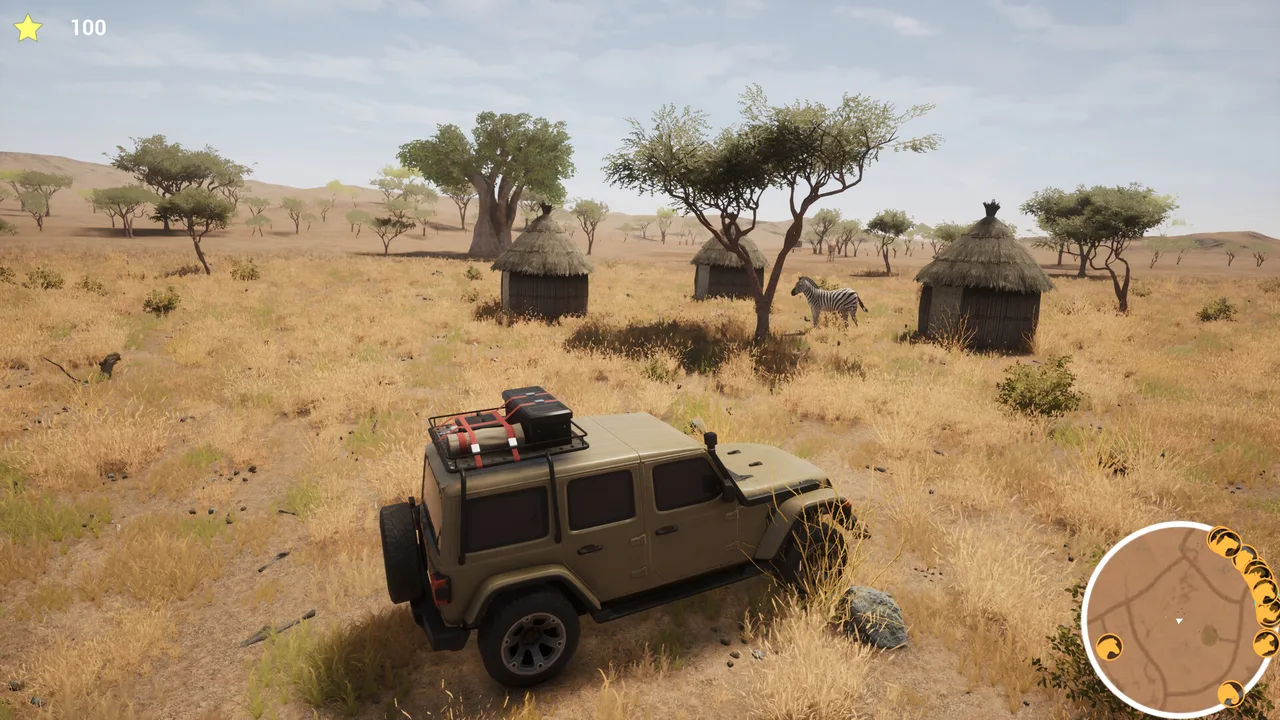
What is the official rating?
ESRB Everyone, shown on the Nintendo eShop listing. The PlayStation listing carries no rating yet at the time of writing, and Steam does not display ESRB badges in the same way.
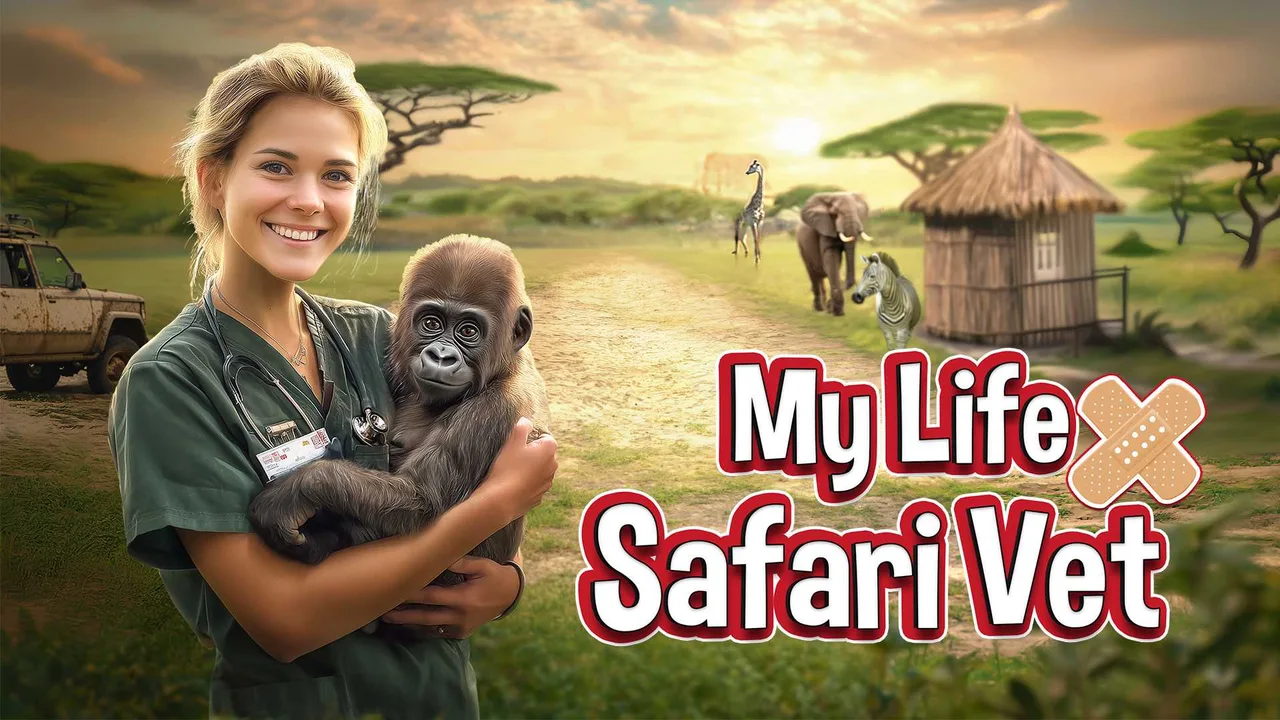
Everyone is the right call. The animals are injured, not mutilated: wounds are shown as bandages, discoloured patches and icons rather than blood. The game's own key art puts a vet in green scrubs holding a baby gorilla, which tells you the tone before you press start.
How much reading is there?
A lot, and it is the main barrier. Every case is driven by an instruction line at the top of the screen: clean the wound with a swab, take a blood sample, the animal is too anxious and must be stroked first. There is no voice-over carrying that information.
Reading load matters most in the walkthrough→, where objectives chain together.
Sony's accessibility list notes the game is playable without subtitles, which points to there being no spoken dialogue to subtitle. So the text is not redundant; it is the interface.
Practical read: a fluent reader aged roughly 8 and up can play unaided. A 5 or 6 year old can play with an adult reading the prompts, and will still enjoy the driving and the animals. A pre-reader can mostly drive around and take photos, which is a smaller game.
The sentences are short and the vocabulary is medical but plain: swab, disinfect, sample, stethoscope. A child who knows the word "bandage" will be fine.
Is there anything scary or violent?
No violence, no combat, no predators attacking you, and no animal deaths. The tension comes from an animal being unwell, and the resolution is always treatment.
The one scene worth previewing is the clinic: an animal on an examination table with an ECG monitor. It reads as a hospital, not as an operating theatre, and the animal is calm. If your child is anxious about hospitals, that room may need a parent present the first time.
Can a child get stuck?
Not permanently. There are no timers, no fail states and no penalties for using the wrong tool; the game repeats the instruction and waits. Steam advertises "Playable without Timed Input" and "Playable at your own pace", and both are accurate descriptions of the design.
The realistic stuck points are navigational: finding the next paw marker, or working out that a case has moved to the clinic. Those are the moments an adult can unblock in thirty seconds.
How long are sessions?
A field case runs under a minute, a clinic case a few minutes, and the game saves continuously enough that stopping mid-session is safe. That makes it a good fit for 20-minute windows rather than something that demands an evening.
There is no energy meter, no daily reset and no reason to log in. A child can leave it for a fortnight and pick up the same save.
Which platform is best for a child?
Switch, if the child is the primary player. Handheld mode means the game travels, the text is close to the eyes, and the 1.4 GB install fits on internal storage without a card. The Switch version is also the one with the documented local play modes: TV, tabletop and handheld.
Steam is the cheapest copy and the one with the documented achievement list, but it means a PC session at a desk. PS5 is the most expensive and the least portable, with the upside of the accessibility options Sony lists, including playable without rapid button presses and without motion controls.
The price breakdown→ covers what each store charges and when a discount is likely.
Is it worth the price for a child?
At the current Steam price it is an easy yes for a curious kid. At the Switch and PS5 price it is a harder call, because the game is short and the production is modest.
Two honest points for the buying decision:
- The Steam version was discounted 15% at launch, which is a launch-window price rather than a permanent one. Check the store before you assume it.
- The game has very few reviews so far, so there is no broad consensus to lean on. What exists is positive on tone and mixed on depth.
If your child already plays animal games and reads confidently, this is a safe purchase. If they need voice acting and constant action, it will lose them in an hour.
The beginner guide explains what a session actually looks like, which is the fastest way to judge whether the pace suits your child.
What about ads and purchases?
None are listed on any of the three store pages. It is a single-purchase game with no online component, no currency shop and no season pass mentioned in the official material.
That also means no chat, no strangers and no account requirements beyond the platform's own.
FAQ
What age is My Life: Safari Vet for? ESRB Everyone. In practice, roughly 8 and up for independent play, younger with an adult reading the prompts.
Is there any violence? No. Animals are treated, never fought.
Does it need an internet connection? No. It is a single-player offline game on all three platforms.
Can two children play together? No. All three store listings describe a single-player game.
Is the text available in other languages? The Switch listing shows French, German, Italian, Spanish, Russian, Brazilian Portuguese and American English.
Official source: Nintendo eShop listing ↗ Official source: PlayStation Store listing ↗ Official source: Steam store page ↗